From the wardrobes of the Village of Peace to the shores of Ghana, discover how our clothing choices shape our health, culture, and the planet we share.
From Fragmented Discourse Towards the Whole
Passion. Perspective. Purpose.
As I contemplated the next subject for this blog, one question kept returning to mind: natural fibres versus synthetic fibres. It is a subject close to my heart because of our growing awareness of climate change, environmental stewardship and the everyday choices that quietly shape both. Many of us understand environmental issues in bite-sized pieces. Yet how many of us consciously connect the clothes hanging in our wardrobes with our personal health, our cultural identity and the wellbeing of the planet?
- Have you ever wondered what your nylon underwear has to do with the global environmental movement?
- Perhaps more than you imagine.
- In the Village of Peace, we accept the synergistic relationship between the fabric that we wear and the health of the planet.
A Return to Natural Fibres
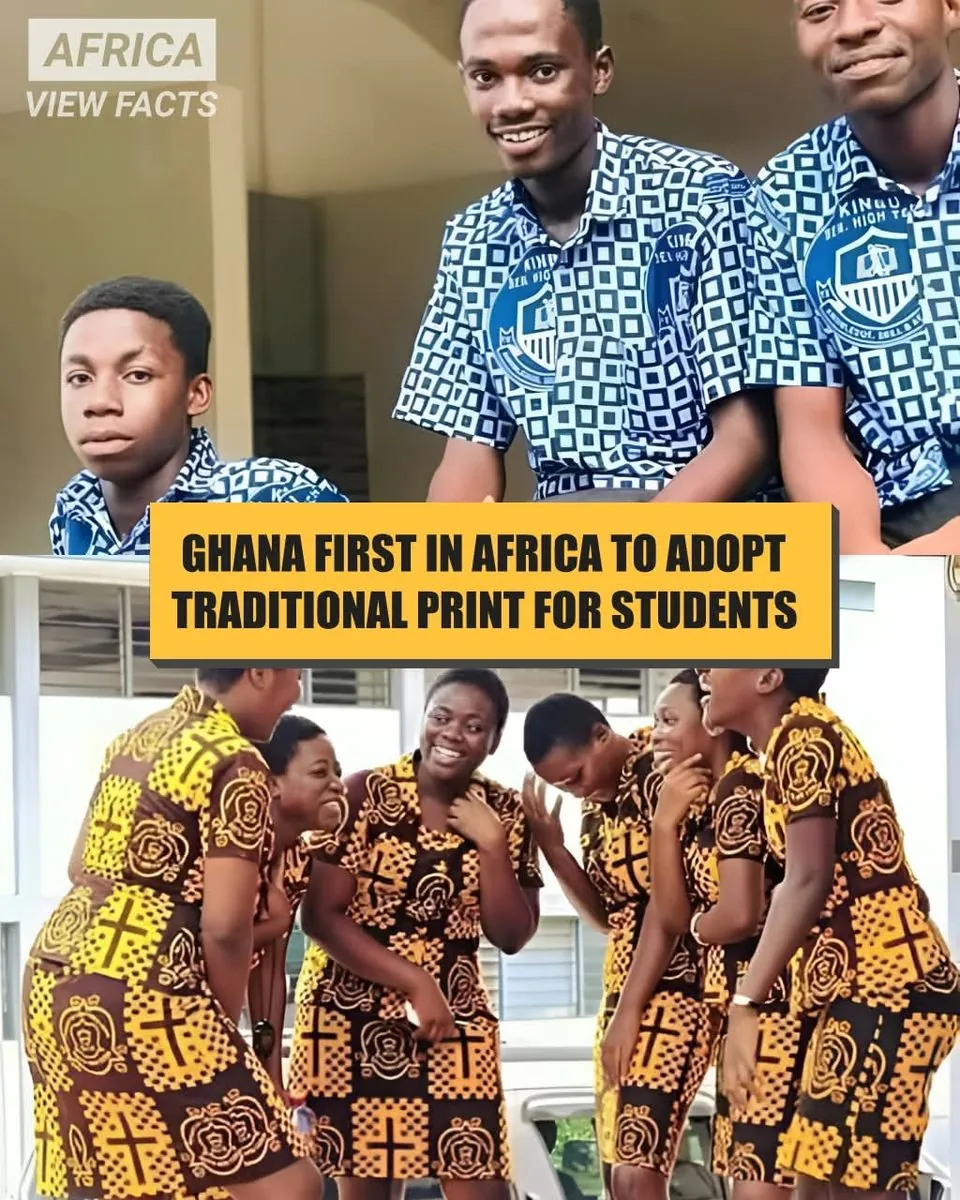
Today, many designers are returning to natural fibres such as cotton, linen, silk and wool. Ghana is renowned for Kente cloth, India for silk, and countless communities have traditionally worked with fabrics that came directly from the earth. These materials have clothed humanity for millennia, and their wisdom is being rediscovered in our modern era.
Take the example of Paul James, a luxury Leicestershire-based knitwear manufacturer. On their website, they state:
Here at Paul James, we use only the purest, 100% natural fibre yarns in our luxury knitwear. Evolved over thousands of years, our yarns are nature's performance fabrics. Breathable, made to last and offering incredible wicking properties, the intelligent yarns we use only stand to push our knitwear to the highest level of comfort and credibility.
We're passionate about helping our customers make the move from man-made fibres to 100% sustainable, natural ones and how making small adjustments to their wardrobe will change the way they feel in their clothing and how natural fibres benefit the environment.
What this shows is that fashion brands like this business, with their 100% pure fibres and yarns, are priced well above the affordability of the average customer. This places equity in access to pro-wellness, healthy choices out of their reach. Consequently, the inexpensive synthetic options found on the High Street and across digital marketplaces remain the sole accessible path for less affluent communities, effectively placing the benefits of natural, health-conscious fabrics beyond their reach.
The Village of Peace Model: All Things in Common
This stands in stark contrast to the holistic wellness model found in the Village of Peace, where the principle of 'All Things in Common' serves as a foundational pillar established by His Excellency Ben Ammi Ben Israel, the community's founder.
In the Culture is Power National Hebrew History Month Booklet 2012, he observed that "music, food and clothing can be used as core components of Perception Engineering against culture."
Sadhguru reminds us that organic and natural fabrics allow the physical system to function with ease, while synthetic materials may negatively affect wellbeing. Likewise, His Excellency Ben Ammi Ben Israel recognised that music, food and clothing are not small things, but shape culture and perception.
Research increasingly links synthetic fibres with skin irritation, chemical exposure and microplastic pollution. Suddenly the conversation is no longer simply about fashion but about our relationship with the Earth.
Cultural Threads and Global Consequences
London designer Precious Emery, founder of Precious Pearls Boutique, specialises in silk, cotton, linen and wool. For her, natural fabrics are cultural, healthier for the skin and kinder to the body. Her work encourages clients to think beyond style and begin asking questions about what they wear.
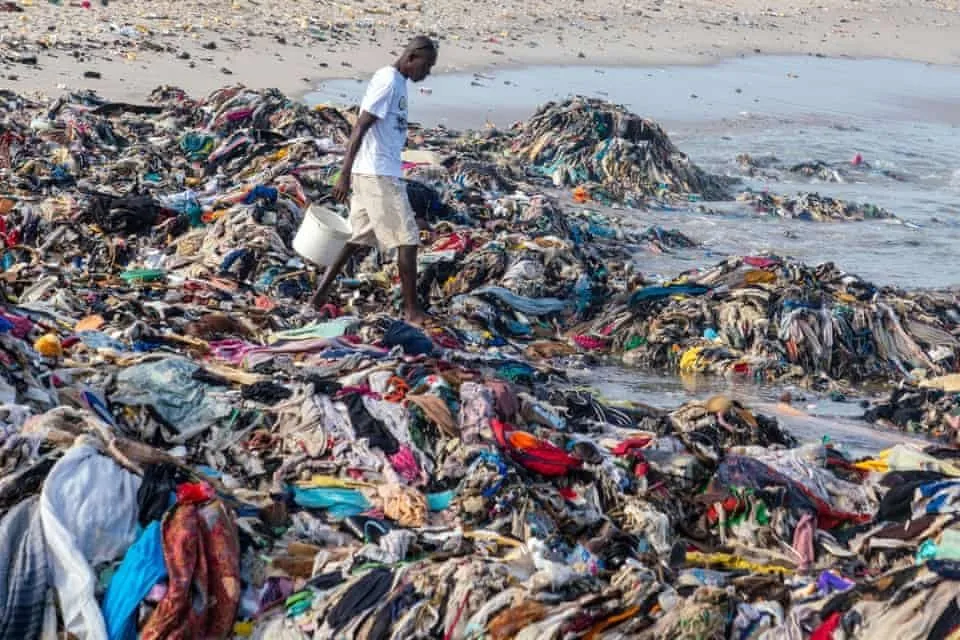
The conversation also reaches beyond our wardrobes. Ghana, home of one of the world's richest textile traditions, now receives mountains of discarded second-hand clothing from wealthier nations. The irony is profound. Our inexpensive purchases are often connected to environmental challenges on another continent.
In a 2023 Guardian article reporting from Accra, Sarah Johnson highlights Yvette Yaa Konadu Tetteh's historic swim down the River Volta to illustrate how Ghana has transformed into a dumping ground for fast fashion, describing the situation as "like a death pit." Her report underscores the extensive damage inflicted on the nation's waterways by the relentless influx of secondhand apparel from the global north, calling attention to the urgent need for systemic change.
A Personal Journey Through Fabric
My own journey began in Trinidad with modest church dress before moving to England and embracing African fashion through Nigerian and Ghanaian prints. Initially, these choices reflected heritage and identity rather than health. Later, through a connection with the Village of Peace in Dimona, Israel, I discovered a holistic philosophy in which clothing, spirituality, health and environmental stewardship are inseparable.
In the Village of Peace, only natural fibres — including cotton, linen, silk and wool — are worn. Clothing and wellness are one of the Ten Pillars that the village in built on. Simply meaning that every institution, every activity, and every daily practice in the Village of Peace supports and enhances the ability of each member to live a healthy and productive life.
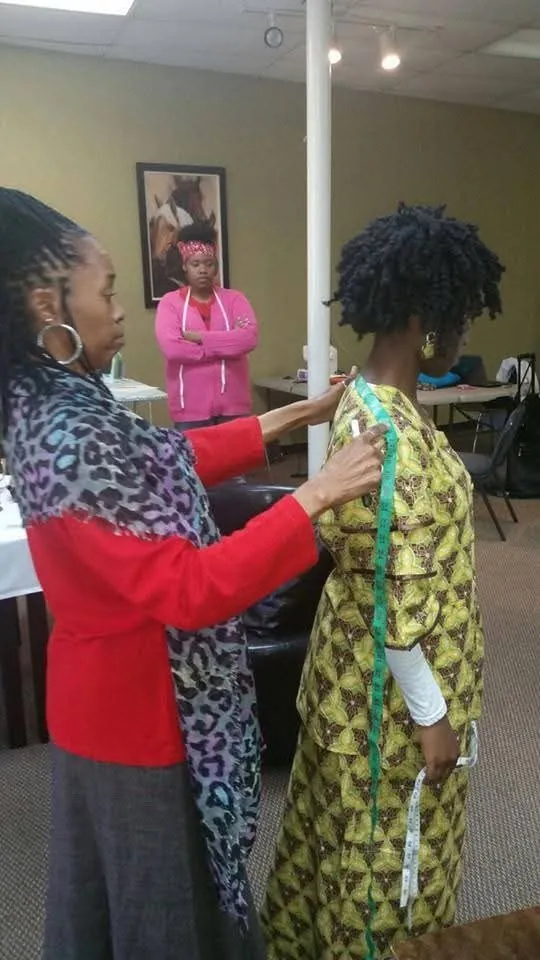
Crowned Sister Baht El Rochelle, CEO and Head Designer of Gahn Ha Cignon, Return to Royalty Boutique, explained how sewing has become a community institution, teaching generations of women and youth practical skills while producing garments for schools, ceremonies, choirs, families and community life. Our own designer, Precious Emery, learned within this tradition before establishing her London business.
If our physical system thrives when draped in breathable, natural fabrics, does it not follow that our most sensitive areas deserve the same consideration? It is a testament to holistic stewardship that the community's Ascension Wear collection provides intimate apparel fashioned solely from pure, earth-born fibres, ensuring that even our hidden layers honour the sanctity of health and wellbeing.
Questions for the Journey
Whether viewed through science, scripture or simple common sense, this philosophy invites us to see clothing differently. Every purchase is connected to our health, our culture, our communities, and our environment.
Perhaps the journey towards Mastering the Art of Living begins with asking better questions:
- What do I wear?
- Why do I wear it?
- Where did it come from?
- Who made it?
- What impact does it leave behind?
These are not merely fashion questions. They are questions about how we choose to live.
Perhaps one day your own journey will lead you to the Village of Peace in Dimona, often described as the Miracle in the Desert, where clothing, culture, health and environmental stewardship are woven together into a living tapestry for mastering the art of living.
You're welcome to visit, explore, and discover this holistic approach for yourself.
Written by
Yishebah B Gavriel
Village of Peace Dimona