Explore how culture acts as the invisible system shaping our behaviour, and learn how to redesign your cultural blueprint for better outcomes.
Yahav Ben Sar Ahmadiel, one of the Village of Peace community writers, has spent more than a decade as a health consultant in South Africa. Here he takes up H.E. Ben Ammi Ben Israel's teaching that culture is power, and asks what it would mean to design our culture on purpose.
Most of us move through the world under the impression that we are the sole captains of our fate. We attribute our wins to grit and our losses to bad luck. But after more than a decade working as a health consultant in South Africa, witnessing both the struggles of our communities and the triumphs of lifestyle transformation, I have learned that if you peel back the layers of personal choice, you’ll find a deeper force at work amongst human behaviour. Culture:
"Culture is Power" H.E. Ben Ammi Ben Israel
Culture isn't just the music we stream or the holidays we celebrate. It is the invisible software running in the background of our minds, governing how we think, behave, and build. In our work within the Village of Peace, we’ve come to recognise that culture is a persistent system, one that determines what we perceive as normal, possible, and valuable.
The reality is simple but profound: You cannot produce outcomes that your culture does not support.
Programming Human Behaviour
Human behaviour doesn't happen in a vacuum. We’ve seen firsthand how it is conditioned and reinforced by cultural frameworks we absorb before we are old enough to question them. This aligns with the "Habit Loop" described by Charles Duhigg in The Power of Habit, where our environment provides the cues that trigger automatic routines.
When we see consistent patterns in our society, we are seeing culture in motion. A culture that treats ultra-processed food as a staple, as is often the case in our local neighbourhoods, will inevitably face a crisis of lifestyle diseases. This is what sociologists call "Social Norms": the unwritten rules that guide group behaviour. Unless we examine these "default settings," we will continue to live out patterns we never actually chose.
The Three Pillars of the Cultural System
To truly grasp how culture shapes us, we must look beyond simple habits and examine three interconnected dimensions:
1. Identity: The Internal Compass
Culture answers the fundamental question: Who am I? When our collective identity is rooted in clarity, it produces stability. James Clear, in his book Atomic Habits argues that the most effective way to change your behaviour is to focus not on what you want to achieve, but on who you wish to become. We often tell our clients: People act according to who they believe they are. In the Village of Peace, this identity extends beyond the individual to the collective.
2. Environment: The Visible Reality
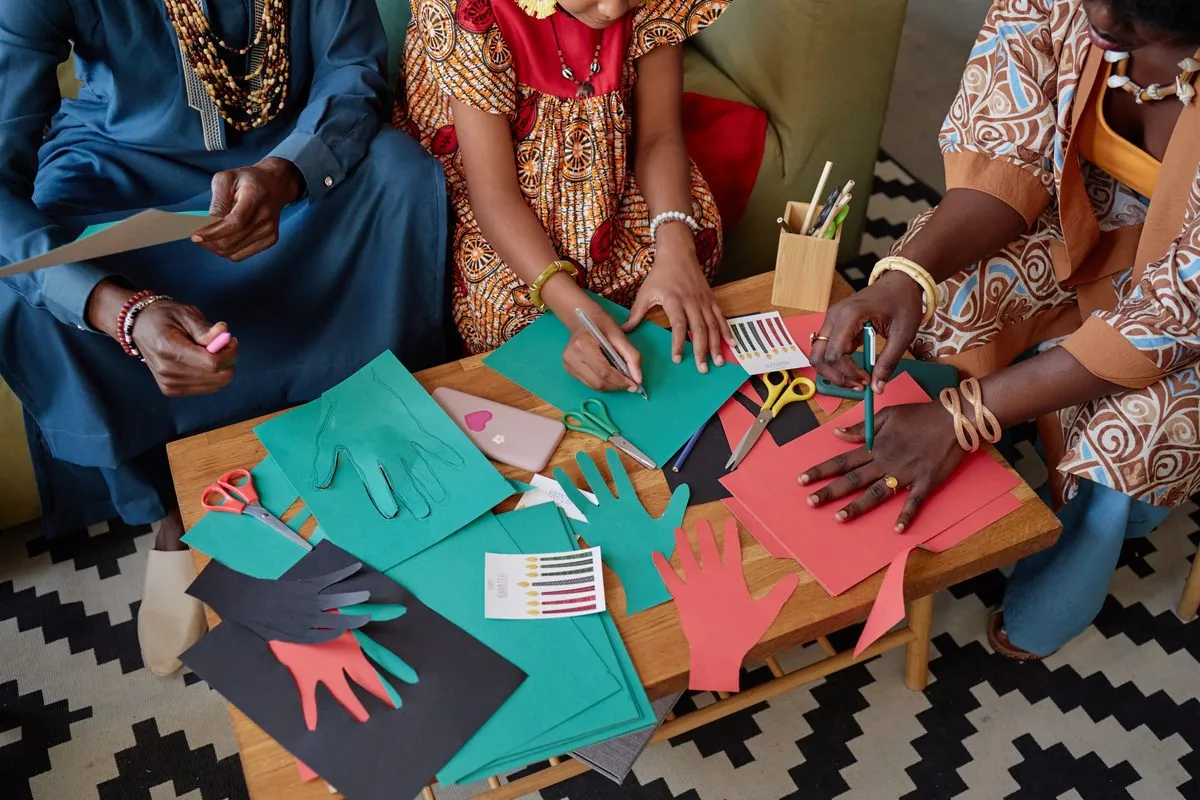
Culture is reinforced by our surroundings. In a sociological sense, as noted in the Strong programme of Cultural Sociology every action is embedded in its external environment. Your culture is reflected in every aspect of your life, from family gatherings to the food you enjoy. Creating discipline is nurtured by a harmonious environment and a supportive community. Together, strong communities uplift and empower each individual.
3. Continuity: Memory in Motion
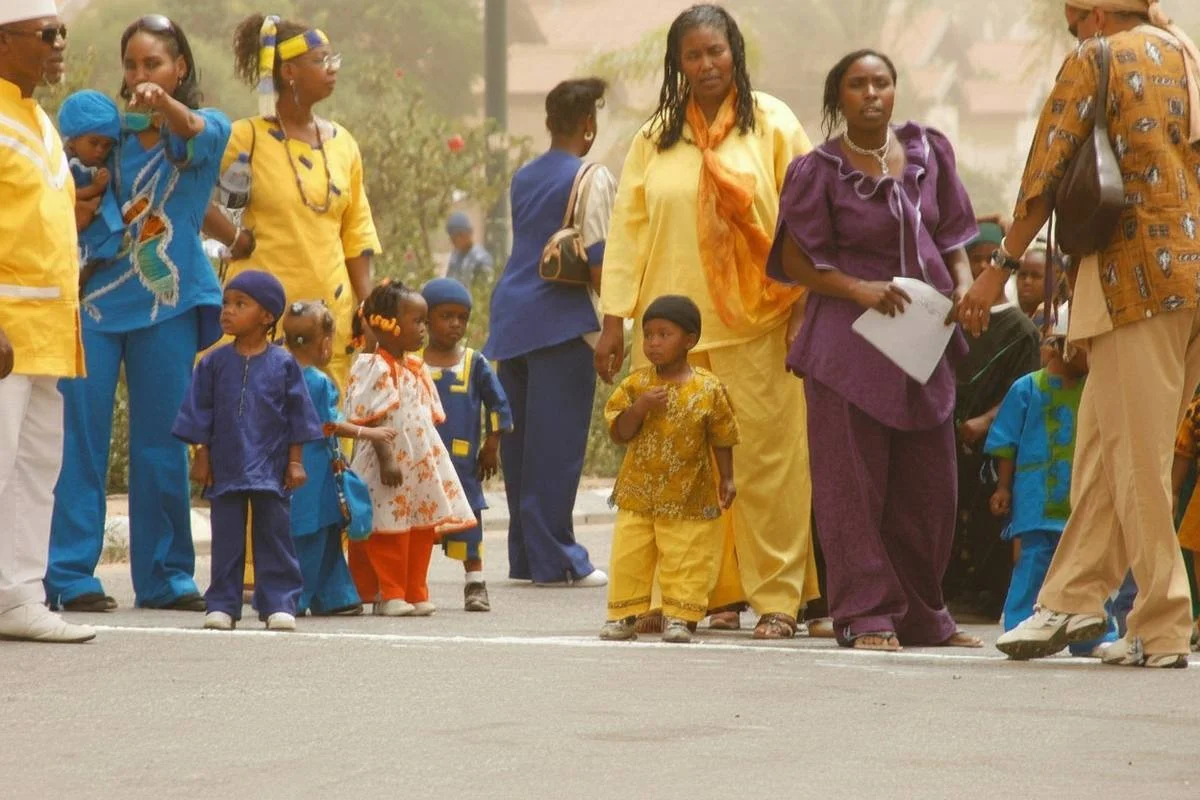
Repetition is the heartbeat of our culture. In the Village of Peace, this rhythm is woven into the very essence of our lives, creating a cultural tapestry unique to our community. As noted by Talcott Parsons, our cultural system serves as a "cognitive matrix" for our values. The traditions we establish today become the legacy we pass on tomorrow. When patterns that nurture life are repeated, they lay the groundwork for growth across generations.
Redesigning Your Cultural Blueprint
If culture is the system that creates our outcomes, then we must intentionally redesign that system. In our more than 50 plus years of transformational work, we've found that this starts with a conscious shift in our daily world.
The journey begins with a Cultural Audit, a mindful examination of the media we engage with, the nutrition we value, and our social connections.
By understanding these influences, we can begin to transform the concept of "normal." An essential part of this journey is embracing the art of living, which calls for questioning the notion that chronic illness or high stress must be accepted as a given in life.
Transformation requires us to prioritise Consistency over Intensity. As noted in research from Cambridge University Press on Culture and Psychology, the pervasive influence of culture on individual behaviour is most effectively managed when we shift the collective practice, not just the individual effort.
A Living System
Culture is not a static relic of the past; it is a living, breathing system. The question isn't whether culture is shaping your life; it already is. The real question is whether you are the architect of your culture or its subject.
Every habit you repeat and every value you uphold is an act of cultural creation. If we want different outcomes, better health, stronger relationships and a more unified society, we don't just need better intentions. We need a better culture!
Your Move: Take one area of your life today:
- Your health
- Your mindset
- Your physical environment
and begin to redesign its patterns.
"When the culture changes, everything changes".
For further insight, watch Charles Duhigg's TEDx talk on The Power of Habit, which explores how environmental cues within a culture trigger the behaviours that define our lives.
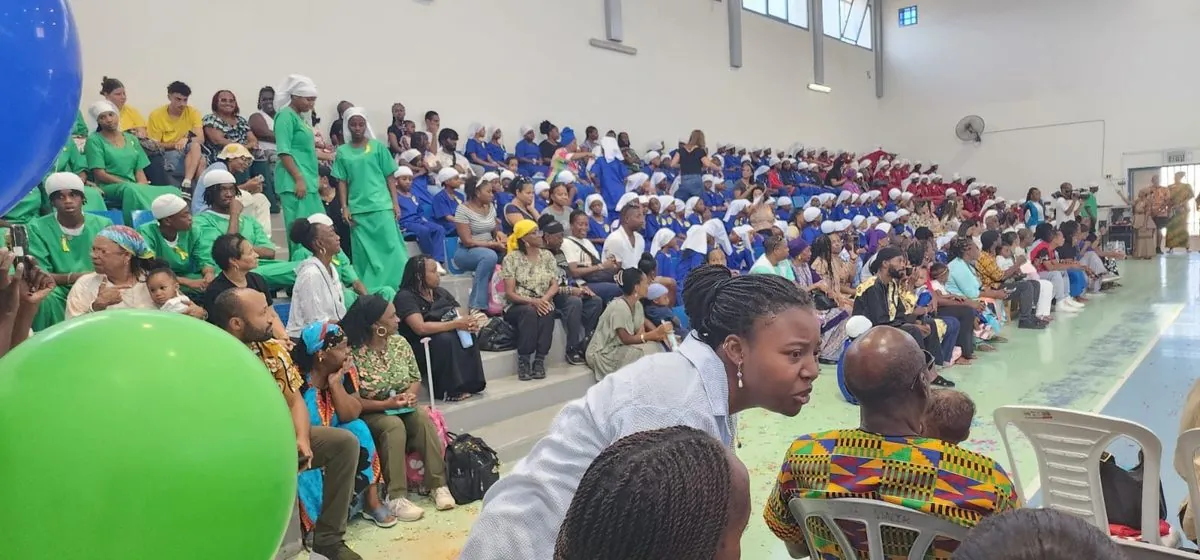
We warmly invite all Life Seekers to explore the profound impact of culture on members of the Village of Peace.
Plan a Sacred Visitation. Come and experience how a cultural system of discipline can unlock the art of living for you.
Written by
Yahav Ben Sar Ahmadiel
Village of Peace Dimona