Discover how the home serves as humanity's first classroom in the Village of Peace, where parenting and teaching are one sacred calling.
For more than five decades, our community in Dimona has been Mastering the Art of Living. That mastery does not begin in a lecture hall or a workshop - it begins at home. It begins with routine, consistency, and the quiet provision of life's fundamentals. Home is our first classroom, and it is there that the most enduring lessons are taught.
Lessons Taught Through Need, Consistency and Routine
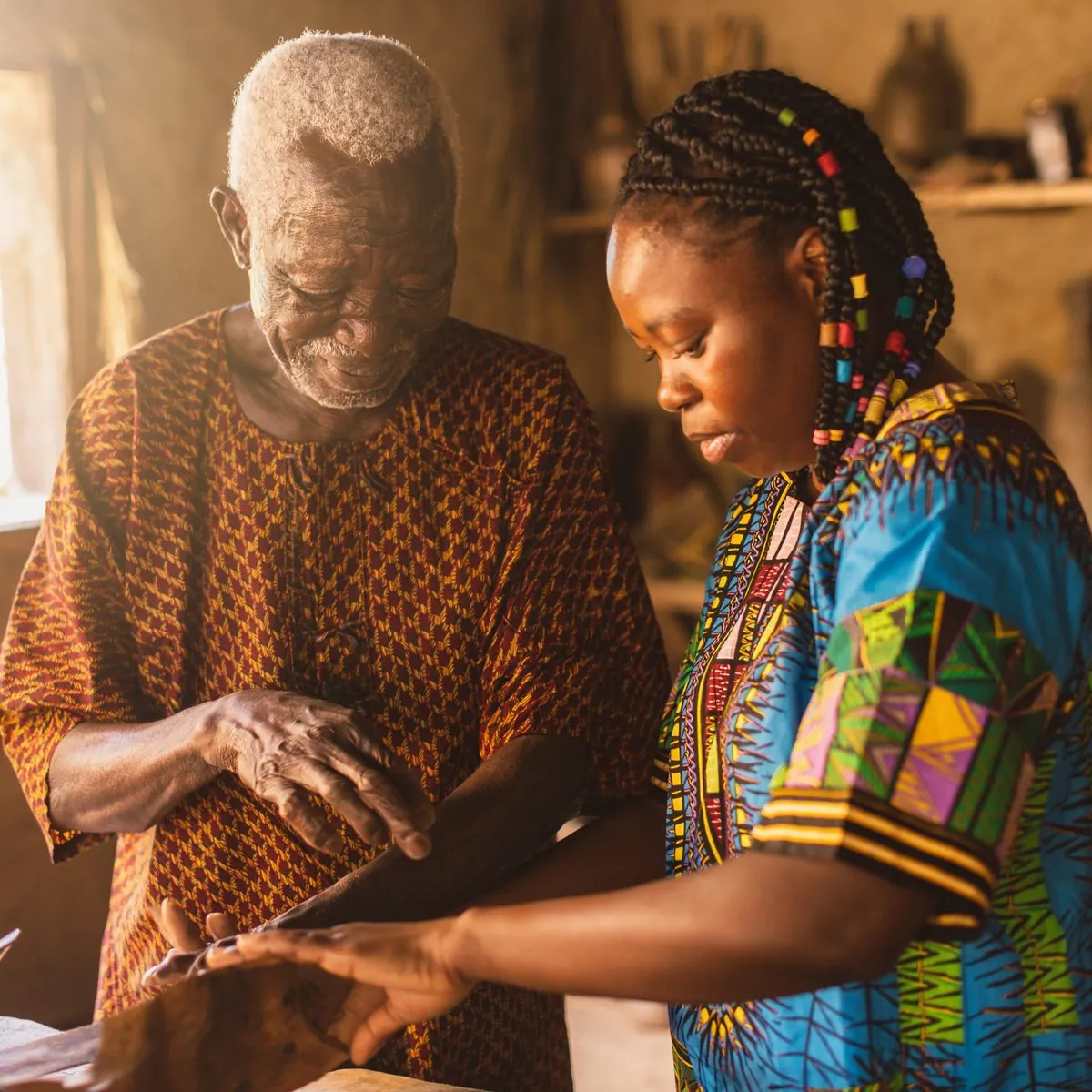
Home is a place where families gather each day around a meal prepared with intention. It is where a youth watches a parent wash fruit before serving it, where an elder explains why we begin the day with water before anything else. These small, consistent acts are the foundation of education in the truest sense.
Home is our first classroom because the parent is our first educator. This is not a metaphor we adopted - it is a truth we have lived and verified across generations. In the Village of Peace, we remain advocates of its importance even as we navigate the complexities of the twenty-first century, where economic demands require most parents to work, packed schedules leave less time for shared meals, rising living costs push back marriage and childbearing, and intense focus on academic and extracurricular success increases. Yet through all of this, home and family retain their esteemed position as the primary institution before all others.
As The Family as the Foundation of Ghanaian Society observes, the family has long been recognised as the fundamental unit of society and the primary environment in which individuals are nurtured, socialised, and prepared to participate in community life. In Ghana, as in our own tradition, the family serves as the first institution through which cultural identity, social responsibility, and communal values are transmitted from one generation to the next.
The Hebrew Language Root That Binds Parent and Teacher
The Hebrew language carries a wisdom that modern life has largely forgotten. The word for parent, horeh (הורה), and the word for teacher, moreh (מורה), share the same three-letter root: het, vav, resh. That root means to guide, to point the way, to illuminate.
In the Hebrew understanding, to parent and to teach are not separate callings. They are the same function expressed in different settings. The parent who guides a youth toward truth is performing the identical act as the teacher who opens a mind to knowledge. The home and the school are not two stages of life - they are one continuous act of dedicating a life, and the parent stands at its foundation.
When we recognised this linguistic truth, it confirmed what our experience had already taught us. In the Village of Peace, we do not outsource the education of our youth. We participate in it actively, alongside our schools and our elders, because we understand that every meal prepared, every Sabbath observed, every conversation held across generations is a lesson being absorbed whether we intend it or not.
We, Not Me: The Collective Raising of Youth
In many parts of the world today, family life is under extraordinary pressure. Long working hours, digital distraction, economic instability, and the fragmentation of extended family networks have left many parents raising youth in isolation. The village that once surrounded young families has been quietly dismantled, and the cost is visible in every measure of wellbeing.
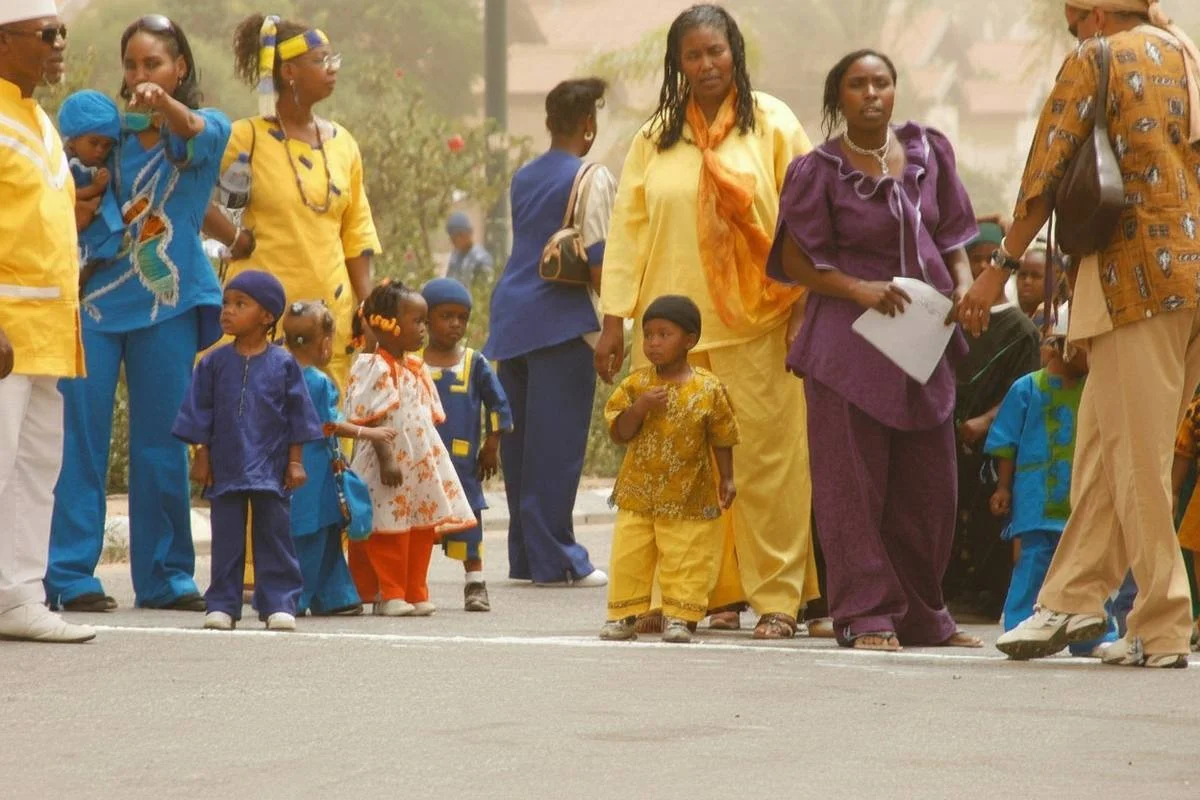
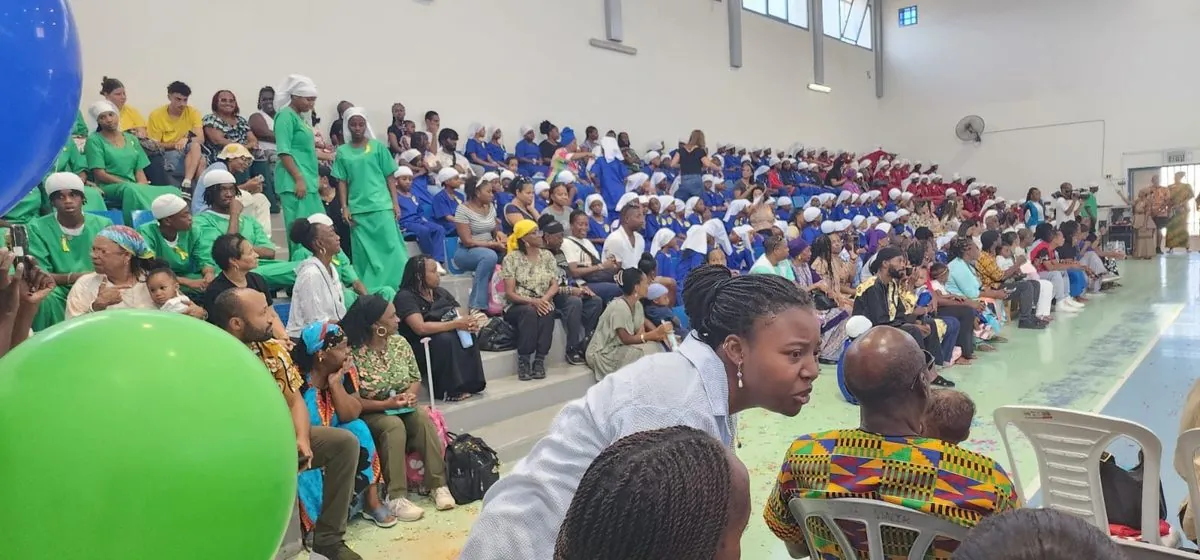
Our community chose a different path. For over 50 years, we have practised the principle that youth are raised collectively. When we say "we," we mean it. A youth in the Village of Peace is known by name by the auntie down the street, by the elder who tends the garden, by the older youth who helps with homework. Shared values are not a poster on a wall - they are lived in the way we prepare food together, the way we greet one another in the morning, the way we make decisions as a community.
This is not unique to us. We see the same wisdom in the ubuntu philosophy of Southern Africa, which teaches that a person is a person through other persons. We see it in the kibbutzim of Israel, where collective child-rearing produced generations of capable, community-minded adults. We see it in the extended family structures of West African societies, where the proverb "it takes a village to raise a child" is not aspirational but operational.
These communities, like ours, understand that strong families build strong communities, and strong communities sustain strong families. The relationship is circular and self-reinforcing.
What the Home Teaches Through Living
In our community, we have found that the home teaches most powerfully through what it models, not what it declares. A youth who grows up watching adults honour our iconic five elemental practices - that together form the complete system for Mastering the Art of Living, The Five Medicines - does not need to be lectured about their importance:
- Food as Medicine - seen in the plant-based "*Live-It*" that fills every plate in our village.
- Rest as Medicine - experienced when the Sabbath arrives and the entire community pauses.
- Cleanliness as Medicine - observed in the daily rhythms of care for the body, the home, and the shared spaces.
- Water as Medicine - known because it is the first response learned for virtually all ailments: "Did you drink your water this morning? How much water have you had today?"
- Exercise as Medicine - witnessed amongst all ages, whether through dance, zumba, walking, or swimming.
We have found that shared meals are among the most potent teachers in human life. When a family sits together without screens, when food has been prepared with care from ingredients grown in harmony with the earth, when conversation flows between the oldest and the youngest at the table, something is transmitted that no curriculum can replicate. Values are absorbed. Identity is formed. Wisdom passes between generations in the simple act of breaking bread together.
This insight is echoed by HealthyChildren.org, which notes that youth who eat with their families at least three times a week experience significant physical, emotional, social, and academic benefits. Time spent enjoying a simple breakfast, lunch, or dinner together truly helps them thrive.
We have also found that ancient wisdom is not a relic to be admired from a distance. It is a practical guide for the challenges we face right now. The Hebrew root that unites parent and teacher is not a linguistic curiosity - it is a blueprint for restoring the home to its rightful place as the foundation of human education.
An Invitation to Life Seekers
If you are reading this and recognising something true, you are not alone. Many people across the world are reaching for exactly this: a way to raise youth in community, to eat with intention, to live with purpose, to recover the home as a place of learning and warmth.
We invite you to visit us in Dimona. Come and share a meal. Sit at the table where multiple generations gather. Experience what it feels like when the home, the school, and the community are not separate institutions but one continuous expression of care. Explore our marketplace and taste the plant-based foods that have nourished our families for generations.
Or simply begin where we began: in your own home, at your own table, with the people you love.
Mastering the Art of Living is not a destination - it is a practice. And it begins at home.
Become part of our online community: Subscribe to our newsletter for recipes, inspiration, and updates from the Village of Peace.
Written by
Village of Peace
Village of Peace Dimona