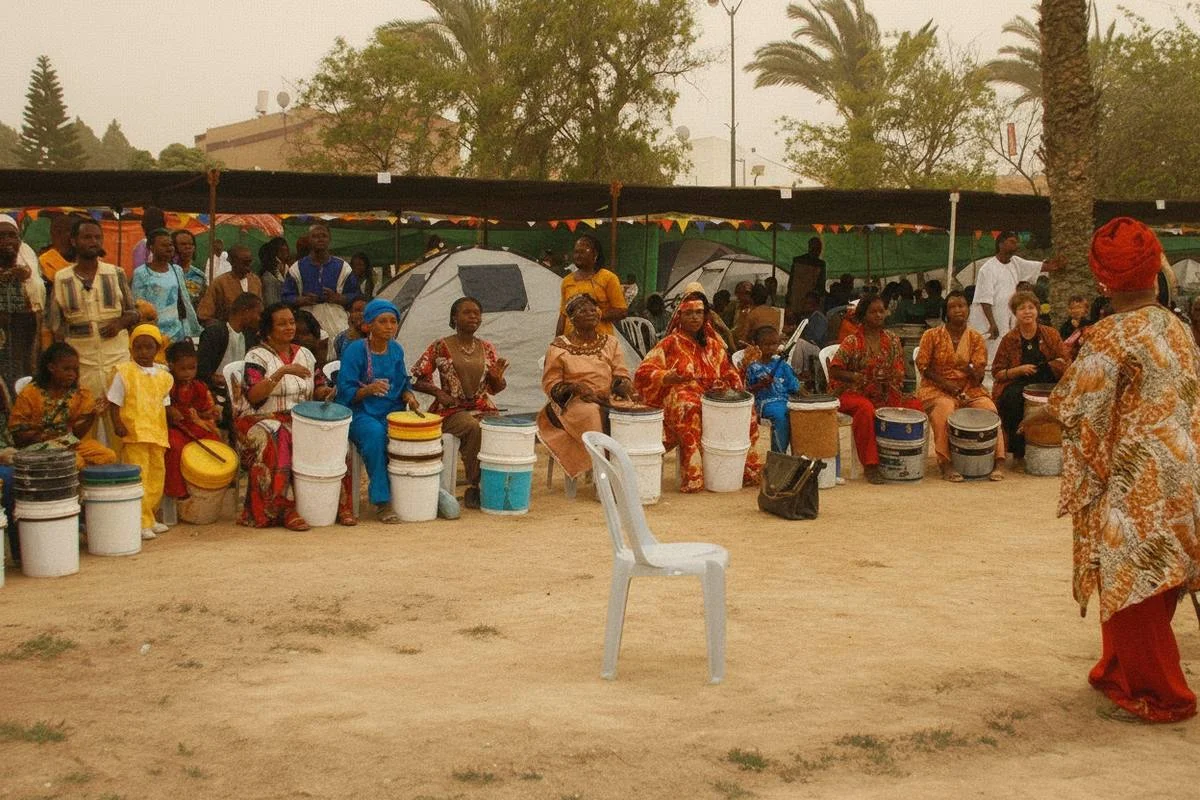
In the Village of Peace Dimona, the earth is not a resource to be used but a companion to be cared for. For 50 plus years, our community has learned that how we treat the surroundings shapes how we treat one another. This is an invitation to discover what it means to be caretakers, together.
The Garden We Share: Collective Community and Land Stewardship
Shalom, and welcome.
For 50 plus years, our community has been engaged in the daily, purposeful work of Mastering the Art of Living. Some of that work happens in classrooms and kitchens, in music and in prayer. But some of it happens in the quietest place of all: in the soil beneath our feet and in the living spaces we share.
The loving recognition of a neighbour, the embracing of a child or an Elder, the conscious desire to realise, protect and grow the community that provides nurture, comfort and purpose, these values are what propel us forward and higher.
In the Village of Peace Dimona, we have come to understand that the land is not something we own. It is something we come from and have an eternal duty to manage and protect. Land stewardship, how we care for it says everything about how we care for each other.
Caretaking Versus Consuming
There is a difference, we have learned, between consuming from a place and caring for it. Consuming asks: what can I take from this today? Caretaking asks: what will this place look like for our children, and their children after them? Caretaking charges us to consider decisions not just with the lens of the present need but also five, ten - even hundred years forward.
When our first families arrived in this land, we did not inherit a garden. We inherited a challenge. The desert does not give its abundance easily. But rather than impose ourselves on the land, we chose to listen to it. We chose to work with the Creator's natural law rather than against it, and over the decades, that choice has shaped who we are.
This is what we mean by land and community stewardship. It is a relationship, not just a technique. A manner of survival and a matrix for growth and elevation. The soil feeds the plants, the plants feed our bodies, and our bodies, in turn, carry the responsibility to give back. Nothing in this cycle is taken without something being returned. But so it is and always will be with the careful stewardship of our daily spaces. Our houses, our stores, our meeting places and collective places of celebration, toil and simply fun.
The Body and the Earth Speak the Same Language
We recognize a simple and profound truth: the human body is composed of approximately 70% water and 30% minerals. It is, in essence, earth in another form. When we understood this, everything about the way we eat and grow changed.
If we are made of the earth, then the earth's food is our food. This is the foundation of our plant-based live-it, which is not a temporary eating plan but a way of living, drawn from the abundance of creation itself. It is also the foundation of our agriculture: chemical-free farming, plant-based fertilisers, crop rotation, and intercropping. We do not feed the soil with substances the body cannot recognise, because we do not wish to feed our bodies with substances the earth cannot recognise.
Food as medicine begins long before the kitchen. It begins in the ground. This is one of the Five Medicines we live by, alongside Water, Rest, Exercise, and Cleanliness, and it connects every meal we share back to every seed we plant.
But land stewardship also includes being deeply respectful of our community beyond just the growing spaces. How do we regard our living spaces? Do we make conscious choices on consumption and then the inevitable waste or left over?
Do we strive to maximize every millimeter with need first before just want? Are we conscious of energy consumption and the biodegradability of items that we purchase? Would it be just single-use or something that can be repurposed later? What do we do with extra items that might or might now have some use now. What would be the real impact of sharing extra food scraps that can be used for collective compost creation... at the very least, a more guarantee able, safe food source. If one eats, all might eat. Every degree of this consciousness grants our communities and the individuals who make it up, a greater chance at sustainability and longevity.
Just as importantly, do we strive to make the daily language of our shared space one that reflects joy, safety, positivity, truth... in such a way that we all fiercely protect it in words and deeds?
Caring for Our Space, Together
- community shared is a community tended by many hands. In our community, no one cares for the land - or the community alone. Our members work it together, and in doing so, we have discovered something beautiful: the discipline of caring for a shared space teaches us how to care for a shared life.
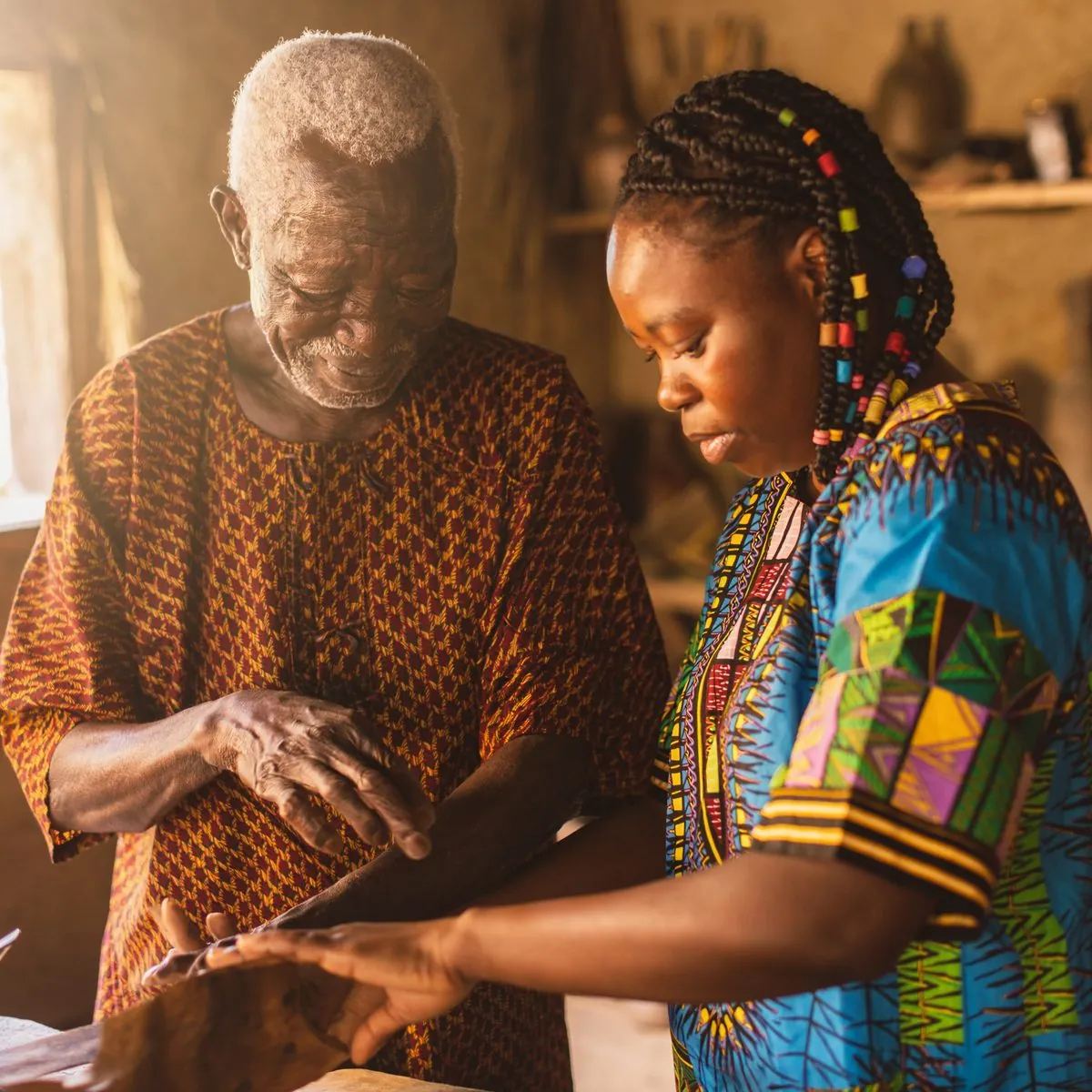
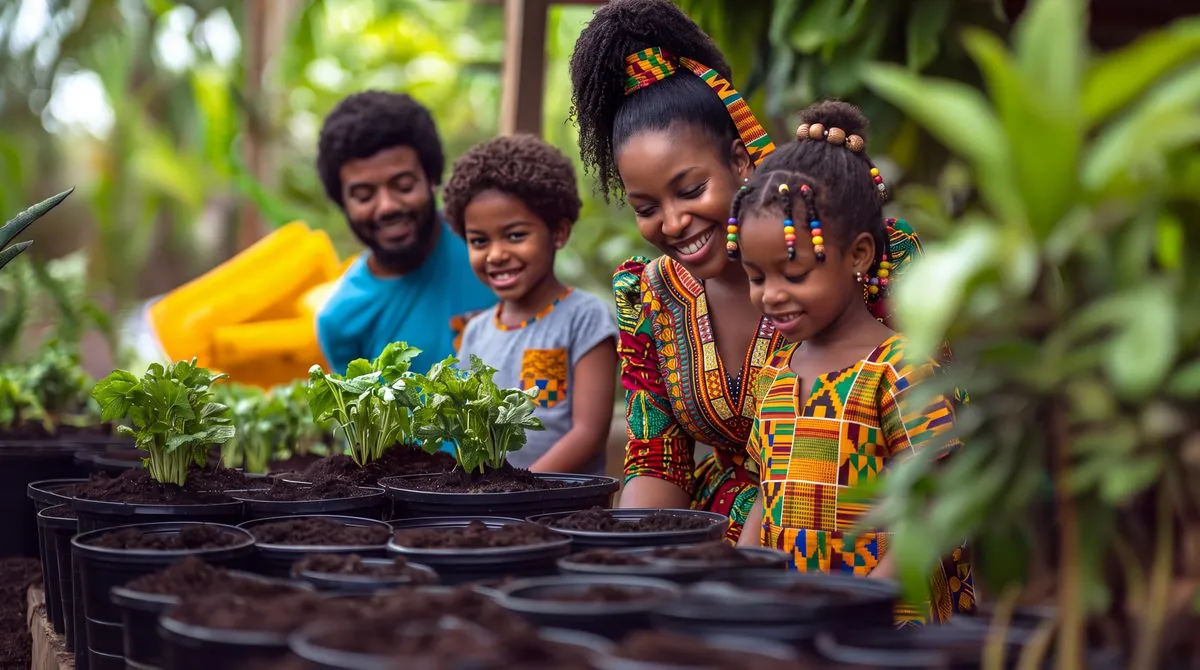
When a child plants a seedling alongside a grandparent, they are learning more than agriculture. They are learning patience, responsibility, and the dignity of work that serves others. They are learning the thread of living that connects their Elders, and them to the soil itself. When our members turn the soil together, they are not just preparing a bed for the next season. They are preparing the next generation.
When our community members make conscious, collective decisions about life in and for the community, beyond what happens behind their individual doors, they tap into an inarguable principle of collective wisdom and renewable vitality.
This is why we speak of our space rather than my space. The pathways we walk, the halls we gather in, the dwellings we build and expand, the cycles of life that lie behind each and every door, the fields that feed us: all of it belongs to all of us, and all of it will belong to our children. To treat it carelessly would be to take something from them before they ever had the chance to hold it. To care for it honourably is to hand them a living inheritance.
In Our Community, We Have Found...
In our community, we have found that a shared living space. We have learned that a community rewards those who listen to it. We have found that soil rested and renewed gives back more than soil pushed beyond its strength. We have found that children who are collectively nurtured and taught to respect one another, respect their Elders and respect the space and the land that they are rooted in are much more likely to grow to be effective and caring stewards themselves.
This stewardship doesn't just affect the spaces they agree to share, but lends itself to most other aspects of their lives. Children who understand where life comes from, and who carry a natural reverence for it will pass that consciousness forward to their children. Guests and visitors often remark how clean the physical grounds of the Village of Peace in Dimona is. From the earliest age possible our children are taught to care for the areas in front of their own houses as well as the paths that lead to and from it.
We have found that caretaking is contagious. A member who tends the community with care usually also cares for themselves. A family that keeps its home in order keeps its relationships in order. Cleanliness, one of our Five Medicines, extends far beyond the body: it is a posture toward our whole environment, a daily act of respect for the life that surrounds us.
And we have found, over these 50 plus years, that a community which honours the earth is honoured by the earth in return. We have a saying "if you love the land, the land will love you in return." Our health, our longevity, and the remarkable record of more than 1,150 natural births in our House of Life all trace back, in part, to this simple commitment: live in harmony with the laws of nature, and nature will not carry you, it will thrust you forward.
An Invitation to Life Seekers
If you are reading this and feeling something stir, we welcome you. You may be a Life Seeker, someone drawn to a more purposeful way of living, and we want you to know: there is room for you on this journey.
Come and walk our garden paths. Join a guided tour or an immersive workshop in health, nutrition, and bio-organic growing. Come shop at our Nation store that carries many items that our own members craft with care, including organic produce grown from our own national farm.
Put your hands in the soil with us. Walk along our sidewalks and hear and see several generations of living souls going about their daily lives, fully invested in that continuous thread started by the first pioneers who came here over five decades ago, motivated by a vision. Taste food grown the way the earth intended. Or, if Dimona feels far away today, begin where you are: plant something, tend something, care for the small patch of the world entrusted to you.
You can also explore the Village of Peace marketplace, where our commitment to natural living takes shape in eco-friendly products and goods made by our hands.
The Growing Continues
Mastering the Art of Living is not a destination we have reached. It is a garden, a community, a space we tend every day, together. The seeds our founders planted, under the vision of H.E. Ben Ammi Ben Israel, continue to grow, and each of us, member and visitor alike, is invited to add our hands to the work.
Todah rabah (thank you very much) for walking with us today. We look forward to welcoming you, in person or in spirit, into the space we share.
Shalom.
Written by
Village of Peace
Village of Peace Dimona