In an age of digital hyper-connectivity, a quiet ache for genuine belonging persists. Explore why community is not a luxury but a biological, psychological, and spiritual necessity.
Why We Need Community: The Essential Human Connection
In an age of hyper-connectivity, we are paradoxically more isolated than ever. We scroll through curated feeds, send emoji-laden messages, and attend virtual meetings, yet a quiet ache for genuine belonging persists. It is a feeling that no amount of digital interaction can fully satisfy. The truth is, we are wired for community. From the earliest gatherings of our ancestors to the neighbourhoods and intentional villages of today, human beings have survived and thrived not as lone individuals, but as members of a collective. Community is not a luxury; it is a biological, psychological, and spiritual necessity.
The Biological and Psychological Need for Belonging
Our brains are hardwired for connection. Neuroscientific research shows that social rejection activates the same regions of the brain as physical pain. This is no accident; our ancestors depended on the tribe for safety, food, and reproduction. Being cast out from the group was a matter of survival. That evolutionary legacy still shapes us today. When we lack meaningful community, we experience chronic stress, increased rates of depression, and a weakened immune system.
Psychologist Abraham Maslow placed belongingness just above safety and physiological needs in his famous hierarchy. After we have food, water, and shelter, we crave love, affection, and a sense of place. Without community, even the most materially comfortable individual can feel adrift. Studies consistently show that people with strong social ties live longer, recover faster from illness, and report higher levels of happiness. The message is clear: community is not optional; it is foundational to human flourishing.
Community as a Support System
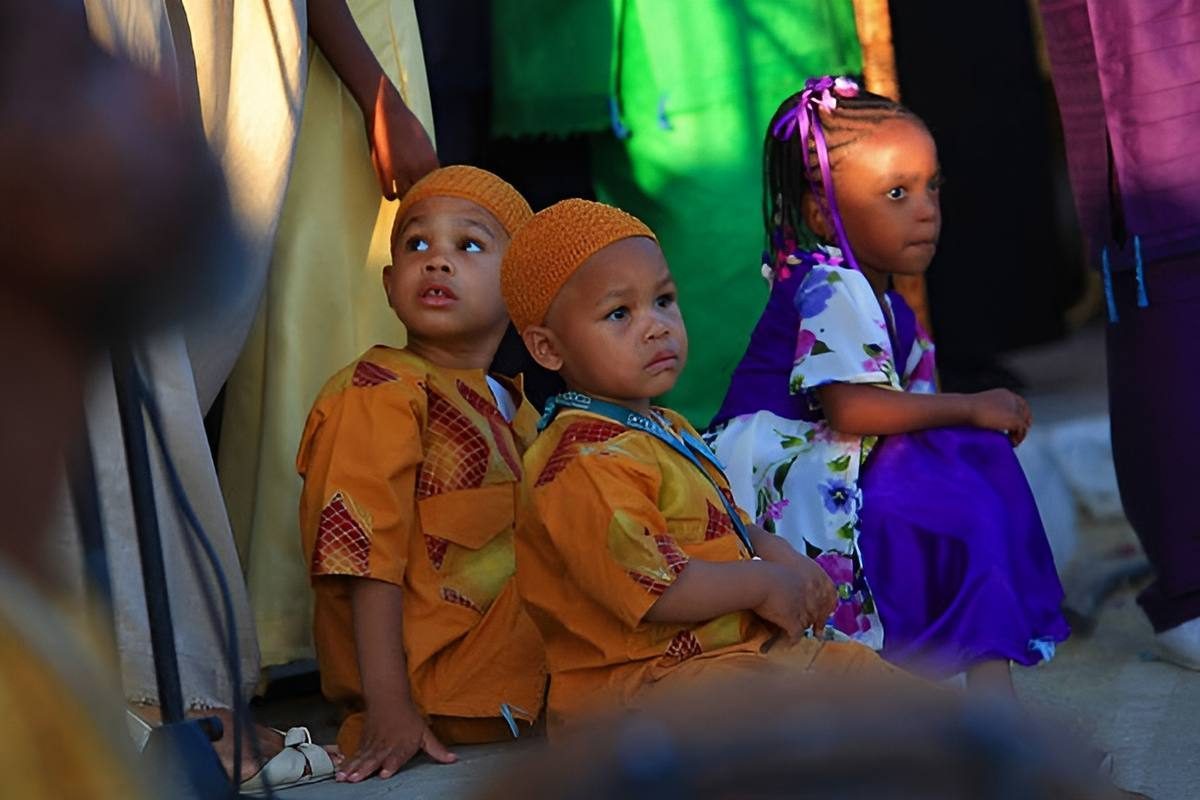
Life is unpredictable. We face illness, loss, financial hardship, and moments of joy that need to be shared. A robust community acts as a safety net, catching us when we fall and celebrating with us when we rise. This is the village that raises a child, the neighbour who brings soup when you are unwell, the friend who listens without judgement.
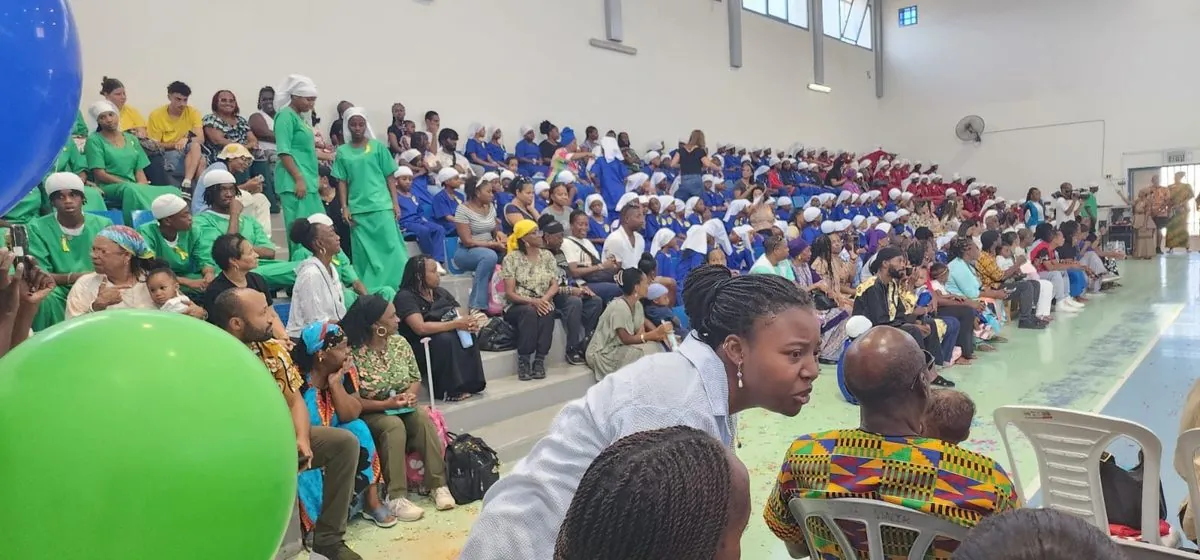
In intentional communities, such as the Village of Peace in Dimona, this support is woven into the fabric of daily life. When our community first arrived in the Negev desert in 1969, after years in Chicago and a sojourn in Liberia, there were no institutions waiting for us. We had to become the safety net ourselves. Members shared resources, childcare, and elder care. We built our own schools, our own health clinics, and our own systems of collective decision-making. That tradition of mutual aid continues today, 50 plus years later. Over time, our relationship with the State of Israel evolved. After years of perseverance, our community received permanent residency status, allowing us to participate more fully in the society we now call home while maintaining our cultural identity and way of life. While not everyone can live in an intentional community, the principles translate to any neighbourhood or social circle. Imagine a street where people know each other's names, check in on the elderly, and organise shared meals. That is community in action, and it reduces the burden on individuals while building resilience.
Moreover, community provides a container for difficult emotions. Grief, anxiety, and uncertainty are easier to bear when we are not alone. When we share our struggles, we not only receive comfort but also discover that others feel the same way. This normalises our experiences and reduces shame. As the African proverb says, "If you want to go fast, go alone. If you want to go far, go together."
Shared Values and Purpose
Beyond practical support, community offers something deeper: a sense of meaning and identity. When we belong to a group with shared values and a common purpose, we feel part of something larger than ourselves. This is especially important in a world that often feels fragmented and consumer-driven.
Many people today are searching for a heritage, a set of traditions, stories, and practices that connect them to the past and guide them into the future. For some, this heritage is cultural or spiritual; for others, it is ecological or humanitarian. Whatever the source, a community that honours its heritage provides a moral compass. It answers questions like: What is important? How should we treat each other? What kind of world do we want to leave for our youth?
Take, for example, the Village of Peace community. Our heritage is rooted in a Pan-African consciousness that asks a simple but profound question: What does it mean to live as a free people? Our spiritual leader, H.E. Ben Ammi Ben Israel, guided a community from the streets of Chicago in 1966 through the West African bush of Liberia to the Negev desert of Dimona, seeking that answer. Our heritage shapes our approach to family, work, and the environment. We prioritise cooperation over competition, stewardship over exploitation, and harmony over conflict. A central pillar of this heritage is our plant-based way of life. For us, what we eat is not a diet but a live-it practice. Our plant-based philosophy flows from the understanding that the body is sacred, and that what we consume shapes not only our physical health but our spiritual clarity. We grow much of our own food through organic agriculture, honouring the earth as a partner rather than a resource to be exploited.
This commitment to wholeness extends beyond the table. Our community operates a range of plant-based businesses, from tofu production to vegan ice cream shops and restaurants, demonstrating that compassionate living can also be economically sustaining. Each enterprise is an expression of our values, offering nourishment that honours both the body and the earth.
These values are not abstract ideals; they are lived daily through communal meals prepared from our own harvests, shared responsibilities, collective celebrations, and the rhythms of Sabbath rest that anchor our week.
Lessons from Intentional Communities
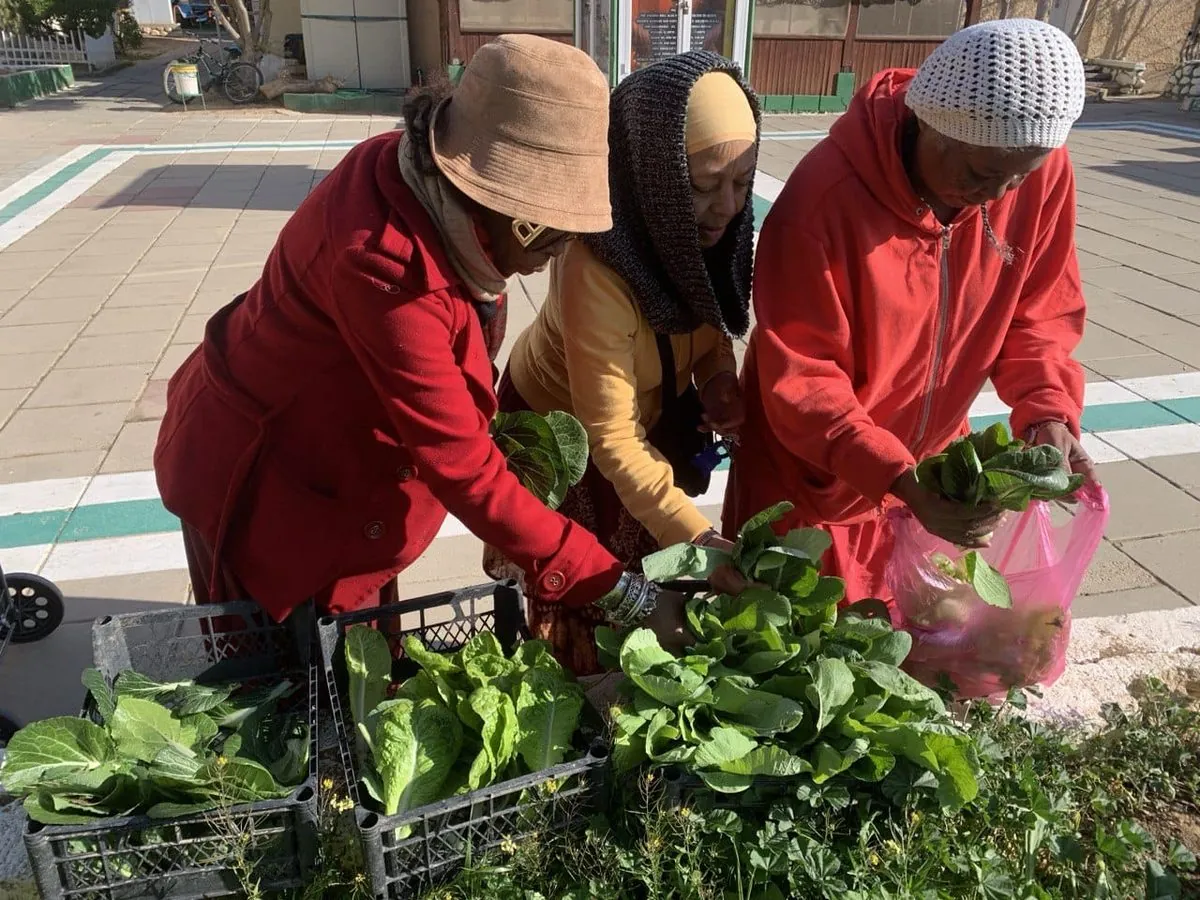
Intentional communities, whether they are ecovillages, co-housing projects, or spiritual settlements, offer valuable lessons for the wider world. They demonstrate that it is possible to design a society based on trust, transparency, and mutual care. Of course, no community is perfect. Disagreements arise, egos clash, and logistics can be challenging. But the successes of these communities prove that the effort is worth it.
One key lesson is the importance of communication. Healthy communities invest time in developing conflict resolution skills, active listening, and transparent decision-making. They recognise that relationships require maintenance, just like a garden. Another lesson is the balance between individual autonomy and collective responsibility. The best communities allow members to express their unique gifts while contributing to the common good. This is not about conformity; it is about synergy.
The Village of Peace, with 50 plus years of experience, exemplifies this balance. Our members have learned that community is not a destination but an ongoing process, a continuous practice of showing up, forgiving, and choosing each other. Music and dance have been essential tools in this process. From our earliest days, communal singing and movement have helped us process hardship, celebrate milestones, and transmit our heritage to the next generation. Our cultural expressions draw from African American spiritual traditions, African rhythms carried through generations, and the Middle Eastern context we now call home. When words fail, a shared song can rebuild a bridge between people.
Our calendar is anchored by gatherings that reinforce our collective identity, most notably New World Passover, an annual celebration that brings together members and visitors from around the world. It is a time of music, dance, feasting, and reflection on our journey as a people. With approximately 3,000 members across the Negev region, our community has grown from a small group of seekers into a thriving network of families, businesses, and cultural institutions. This perspective is invaluable for anyone seeking to strengthen their own community, whether a family, a neighbourhood, or a workplace.
Building Community in a Fragmented World
If community is so essential, why is it so difficult to find and maintain? Modern life works against it. We move frequently for jobs, live in suburbs designed for cars rather than people, and spend hours staring at screens. Individualism is celebrated, and self-reliance is often mistaken for strength. But the good news is that community can be built intentionally, starting with small steps.
Here are practical ways to nurture community in your own life:
- Start with your neighbours. Introduce yourself, exchange phone numbers, and offer help. Organise a street party or a book club. Small gestures build trust over time.
- Find a shared activity. Join a sports team, a gardening club, or a volunteer group. Shared purpose creates bonds quickly.
- Create rituals. Weekly dinners, monthly celebrations, or annual retreats give people something to look forward to and strengthen connections.
- Practise vulnerability. Share your struggles and listen without judgement. Authenticity invites others to be real with you.
- Commit to conflict resolution. Disagreements are natural; learn to address them constructively. Avoid gossip and prioritise face-to-face conversations.
- Celebrate diversity. A healthy community includes people of different ages, backgrounds, and perspectives. Variety enriches the collective.
Remember, building community takes time and patience. It is a long-term investment, but the returns, love, support, meaning, and resilience, are immeasurable.
The Power of Togetherness
We need community because we are not meant to walk this earth alone. Community is the cradle of our humanity, the place where we learn to give and receive, to forgive and be forgiven, to celebrate and to mourn. In our Village of Peace, we have spent 50 plus years cultivating this way of life. From the founding vision in Chicago to the desert soil of Dimona, we have learned that Mastering the Art of Living is not a solitary pursuit. It is discovered in the shared meal, the collective harvest, the Sabbath table, the dance circle, and the quiet moments of care between neighbours. We continue to learn, to grow, and to share what we have discovered about what it means to live well, together.
We invite you to reflect on the communities in your own life. Where do you feel belonging? Where might you offer it to someone else? Whether you visit us in Dimona or begin closer to home, know that the door to genuine connection is always open. You are welcome to explore what intentional community can offer, and to take the first small step toward the togetherness we were all created for.
Written by
Sgan Yahgdeer
Village of Peace Dimona