

Mastering the Art of Living Series
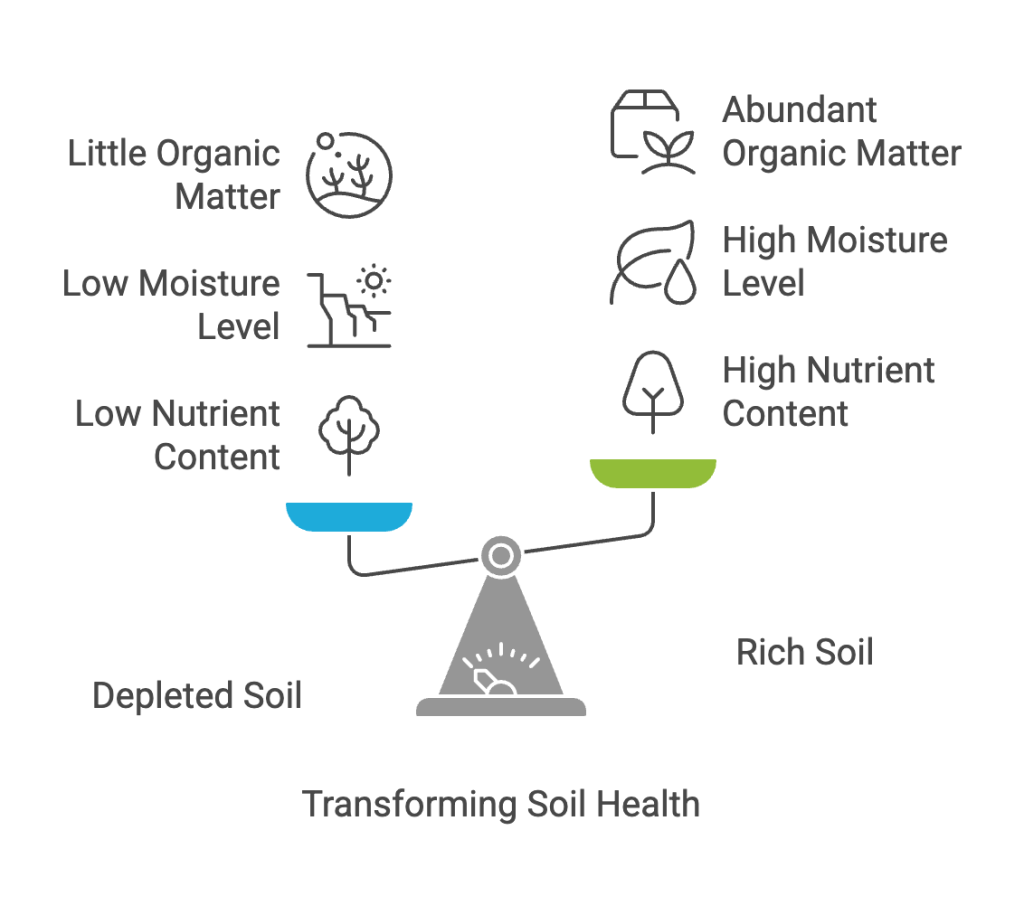
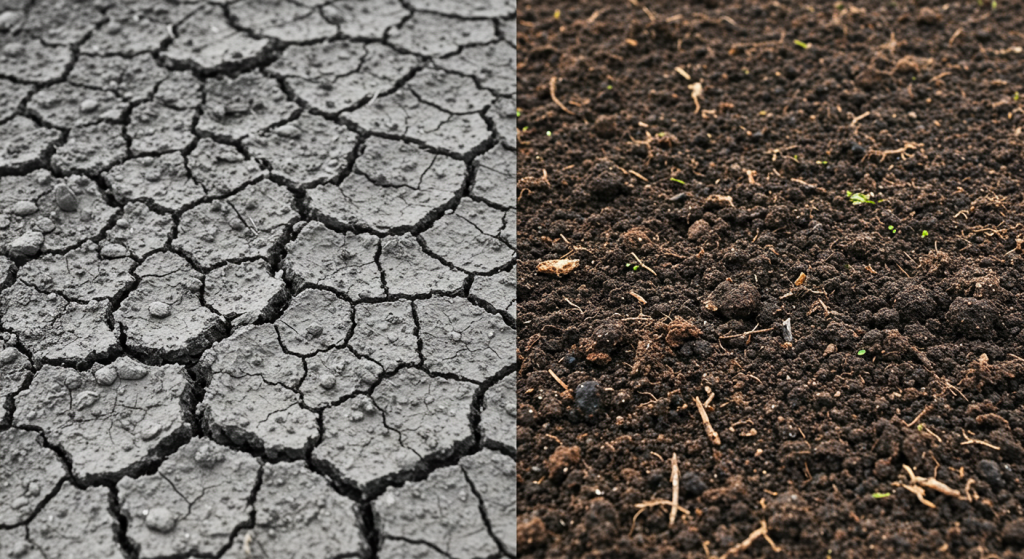
Soil is not merely dirt—it’s a living ecosystem comprising billions of organisms that directly impact plant health, environmental sustainability, and ultimately, human wellness. The alarming degradation of global soil quality represents one of our era’s most urgent yet under recognised crises. Modern agricultural practices have depleted soil organic matter by 50–70% in many regions, diminishing both the nutrient density in our food and the carbon sequestration capacity in our environment.
This roadmap provides a practical, season-by-season approach to soil regeneration that goes beyond basic principles to offer actionable strategies for transforming depleted soil into a thriving ecosystem within a single year.
Soil Transformation
Understanding Soil as a Living System
Healthy soil functions as Earth’s most complex ecosystem—a single teaspoon can contain more micro-organisms than there are people on the planet. These billions of bacteria, fungi, protozoa, nematodes, and arthropods form intricate relationships that:
- Break down organic matter into plant-available nutrients
- Create soil structure and water infiltration pathways
- Form symbiotic relationships with plant roots
- Protect plants from pathogens and environmental stress
- Sequester carbon from the atmosphere into stable forms
The degradation of this underground economy directly impacts human health through reduced nutrient density in foods, compromised water quality, and diminished ecosystem services. The good news? Soil has remarkable regenerative potential when properly supported.
Soil Testing: Creating Your Baseline Map
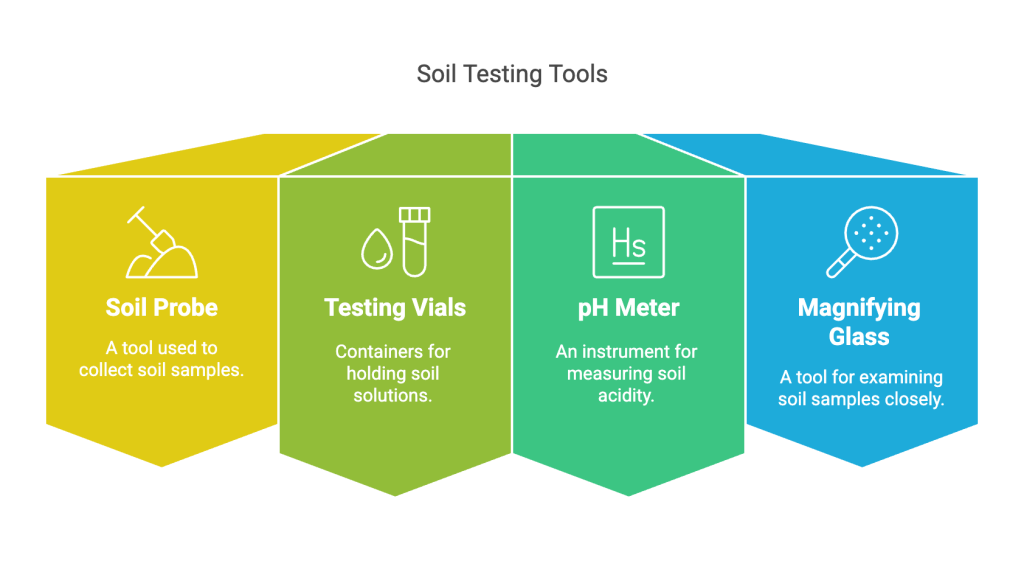
Before embarking on your regeneration journey, accurate information about your starting point is essential. Comprehensive soil testing provides the diagnostic foundation for all your interventions.
Standard Chemical Analysis
Basic chemical testing reveals macronutrient levels (N–P–K), pH, and major mineral content. For true regeneration, it is recommended to include:
- Complete mineral profile: Includes secondary and micronutrients essential for soil biology
- Organic matter percentage: A crucial baseline for tracking improvement
- Cation Exchange Capacity (CEC): Indicates the soil’s ability to hold nutrients
- Base saturation percentages: Shows the balance between calcium, magnesium, potassium, and sodium
Interpret results not just for deficiencies but also for mineral relationships and biological implications (for example, the calcium-to-magnesium ratio significantly impacts soil structure and microbial habitat).
Biological Assessment and Physical Structure Evaluation
While chemical testing has dominated conventional agriculture, biological and physical assessments provide crucial information about soil health through:
- Microbe diversity testing
- Fungi-to-bacteria ratio
- Earthworm counts
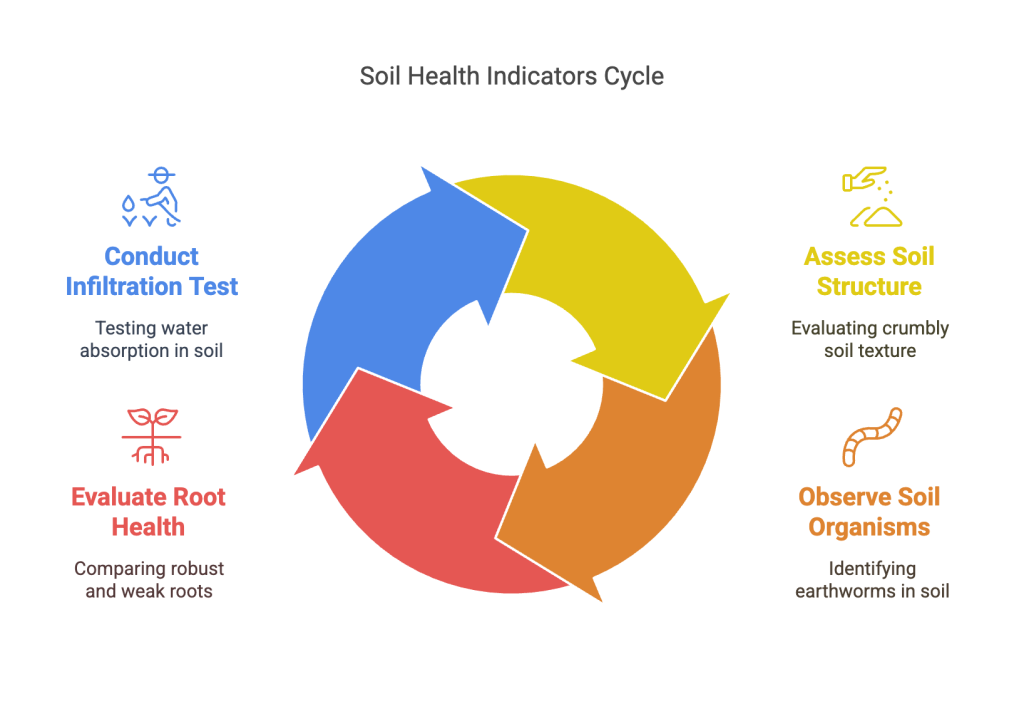
- Infiltration rate tests
- Aggregate stability
- Compaction testing
Seasonal Interventions: Working with Nature’s Rhythms
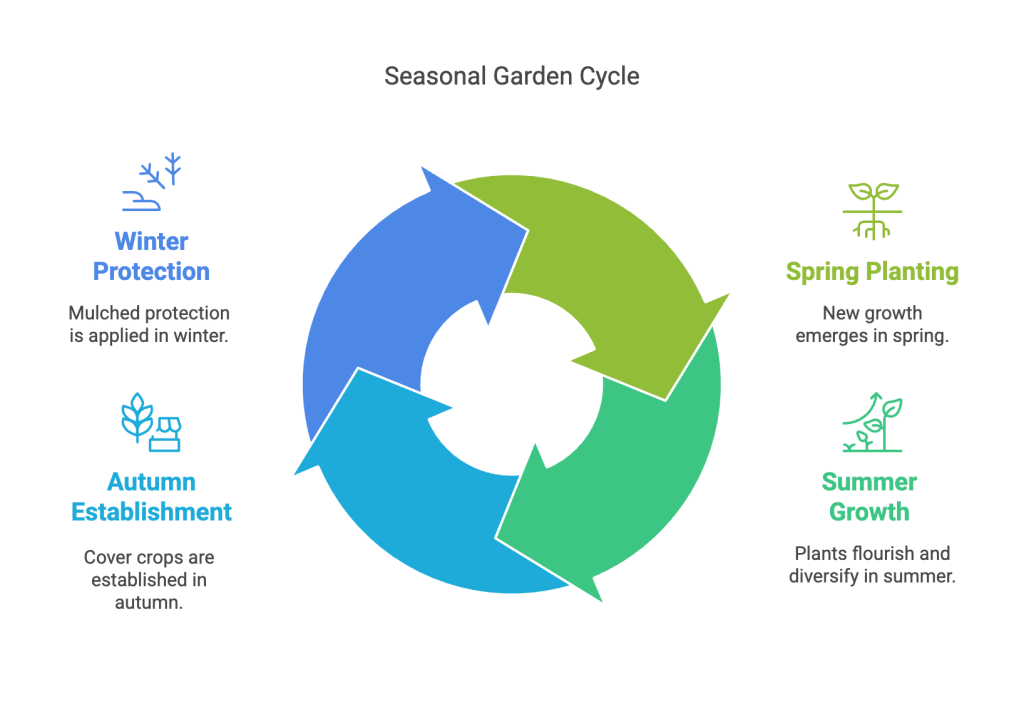
Spring: Awakening the Soil System
As soil temperatures rise above 10°C, biological activity accelerates. Spring is ideal for:
- Broad-spectrum microbial inoculation: Apply diverse microbial consortia as the soil awakens.
- Gentle decompaction: Use subsoiling or broadforking when soil moisture is ideal (not too wet or dry).
- Cover crop establishment: Plant early-season nitrogen fixers and dynamic accumulators.
- Mineral balancing: Apply mineral amendments based on soil tests during spring rains.
- Foliar feeding: Apply dilute compost tea to leaf surfaces of established plants.
Summer: Building Microbial Diversity
Summer’s warmth accelerates biological activity, making it ideal for:
- Carbon building: Apply well-processed compost to fuel microbial proliferation.
- Strategic irrigation: Maintain consistent moisture for a healthy microbial habitat.
- Polyculture establishment: Plant diverse species that exude different root compounds.
- Chop-and-drop practices: Create in-place mulch from excess plant material.
- Mid-season biostimulants: Apply specific microbial foods when populations are most active.
Autumn: Setting the Foundation for Dormant Season
Autumn is a crucial transition as systems prepare for dormancy:
- Cover crop diversity: Establish overwintering species before soil temperatures drop.
- Deep organic matter incorporation: Add final amendments before the winter slowdown.
- Fungal promotion: Apply fungal-dominant inoculants and fungal foods like wood chips.
- Perennial support: Focus on root zone development for established plants.
Water management systems: Establish drainage or retention systems before winter precipitation.
Winter: Protection and Planning
Even in dormancy, soil systems need protection:
- Living roots maintenance: Keep overwintering cover crops thriving where possible.
- Insulation strategies: Protect microbial habitat from temperature extremes.
- Strategic disturbance minimisation: Reduce compaction and erosion during wet periods.
- Analysis and planning: Review test results and prepare spring strategies.
- Infrastructure development: Build composting systems and prepare equipment.
Microbial Inoculation: Beyond Basic Compost
While compost provides a foundation for soil life, targeted microbial inoculation can accelerate regeneration dramatically.
Compost Tea Systems
Compost tea actively brews beneficial micro-organisms into an accessible form:
- Bacterial-dominant tea: Use nitrogen-rich ingredients (alfalfa, molasses) aerated for 24–36 hours.
- Fungal-dominant tea: Incorporate fungal foods (humic acids, kelp) with longer brew times.
- Application timing: Apply teas when conditions are moderate in temperature with adequate moisture.
- Equipment considerations: Use proper aeration and non-chlorinated water.
Inoculant Selection Strategy
Different ecosystems benefit from different microbial emphases:
- Annual vegetables: Higher bacterial ratios support rapid nutrient cycling.
- Perennial systems: Fungal dominance supports long-term mineral transportation.
- Succession planning: Gradually shift from bacterial to fungal dominance as systems mature.
Indigenous micro-organisms: Capture and cultivate local beneficial microbes.
Composting Mastery and Cover Crop Strategies
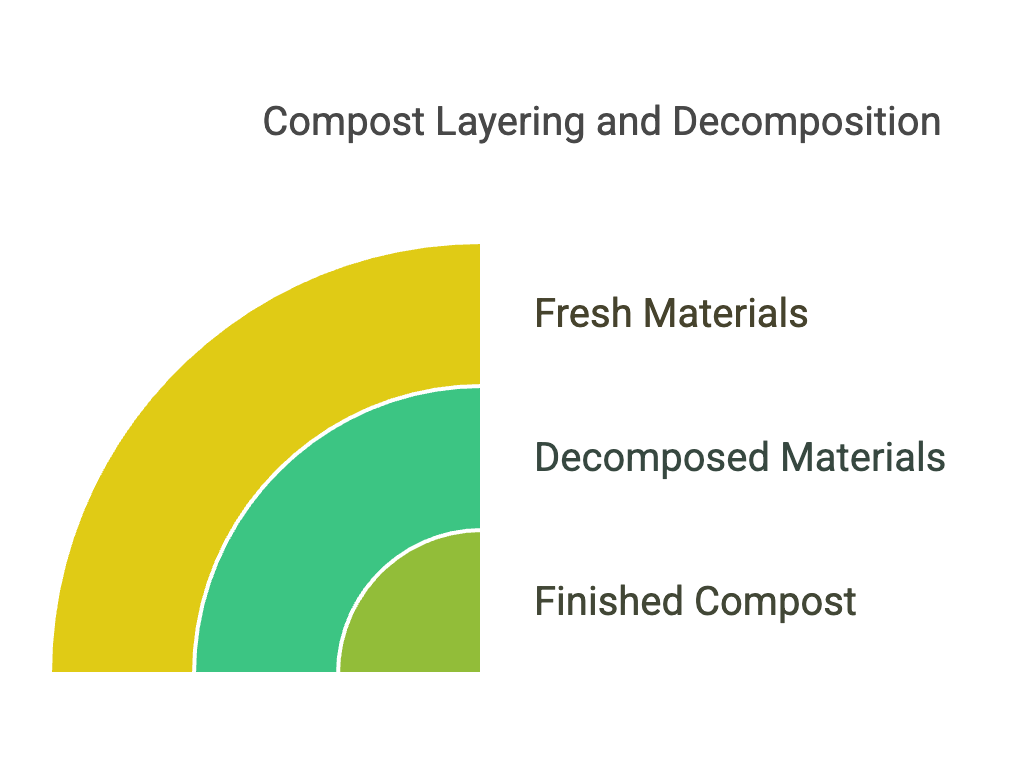
Quality compost forms the cornerstone of soil regeneration. Factors such as mineral diversity, particle size variation, moisture management, oxygen monitoring, and temperature guidance significantly impact compost quality. Cover crops provide one of the most cost-effective soil regeneration tools, with functional categories including nitrogen fixers (legumes), nutrient accumulators (deep-rooted plants), soil structure builders (fibrous-rooted grasses), biofumigants (brassicas), and beneficial insect attractors (flowering plants).
Measurable Success Indicators: Tracking Your Progress
Soil regeneration produces observable changes—both in measurements and visible characteristics.
Quantitative Measurements
Track these key metrics annually:
- Organic matter percentage: Expect a 0.5–1% increase annually with proper management.
- Water infiltration rate: Should improve by 25–50% in the first year.
- Bulk density: Look for a 5–15% decrease as compaction resolves.
- Microbial biomass: Can double or triple within 12 months of proper inoculation.
- Nutrient availability: Available (not just total) nutrient levels should increase.
Qualitative Observations
These signs indicate progress without laboratory testing:
- Earthworm abundance: Increased populations signal improving habitat.
- Soil aggregation: A crumbly structure replacing hardened, blocky soil.
- Colour changes: Deepening colour indicates organic matter incorporation.
- Aroma development: A sweet, earthy smell replacing sour or chemical odours.
Water behaviour: Less runoff, puddling, and erosion during rainfall.
Plant Health Responses
Plants provide the most visible feedback about soil health through enhanced root architecture, improved stress resilience, increased pest resistance, higher nutritional density, and stronger vigour.
The Path Forward: From Regeneration to Resilience
True soil regeneration doesn’t end after one year—it evolves into an ongoing relationship with living systems. The practices outlined here establish the foundation for soil health, but the journey continues through:
- Reduced intervention: As soil health improves, external inputs naturally decrease.
- Ecosystem self-regulation: Beneficial relationships increasingly manage pest and disease challenges.
- Climate resilience development: Regenerated soils better withstand drought, flooding, and temperature extremes.
- Continuing carbon sequestration: Healthy soils continuously remove atmospheric carbon.
- Increasing biodiversity: Each improvement in soil health supports broader ecological health.
By committing to this soil regeneration roadmap, you’re not just improving a single property—you’re participating in the restoration of Earth’s most critical interface between the geosphere and biosphere. The health of our soils determines the health of our food, our communities, and our planet.
References
- Brown, G. (2018). Dirt to Soil: One Family’s Journey into Regenerative Agriculture. Chelsea Green Publishing.
- Lowenfels, J., & Lewis, W. (2010). Teaming with Microbes: The Organic Gardener’s Guide to the Soil Food Web. Timber Press.
- Montgomery, D.R. (2017). Growing a Revolution: Bringing Our Soil Back to Life. W.W. Norton & Company.
The Village of Peace “Mastering the Art of Living” collection includes apparel and products that celebrate the sacred connection between soil health and human wellbeing. Explore the collection at villageofpeacedimona.com/shop.